Digitised using Industrial CT Technoly
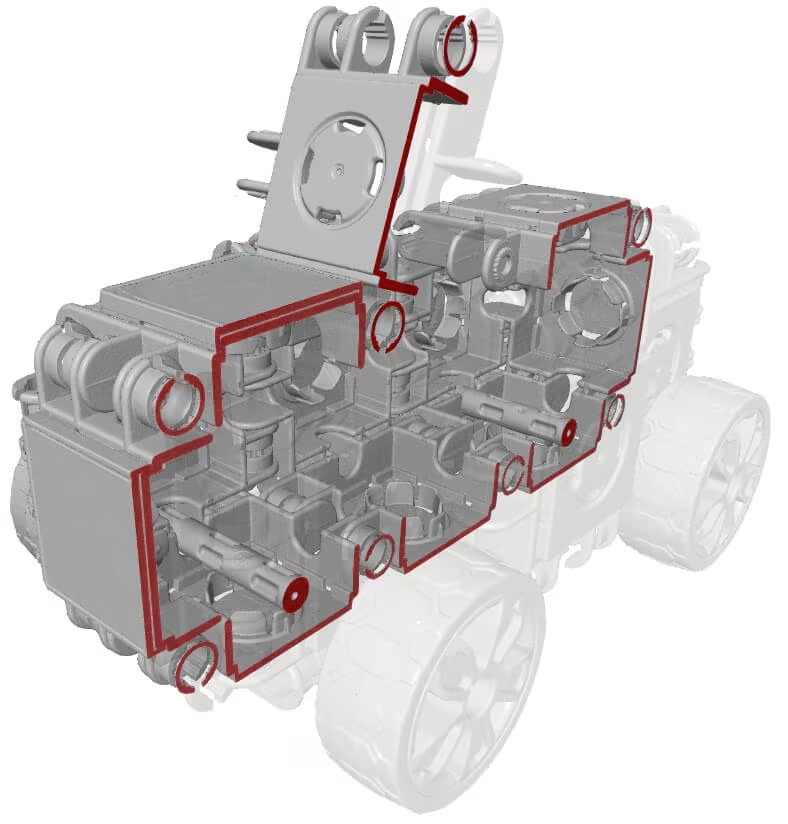
Although it is a toy, it’s still a very good example of what can be achieved with CT scanning in general. The same goes for more high-end industrial plastic samples for the automotive or medical industry for example.
Process: step by step
Process
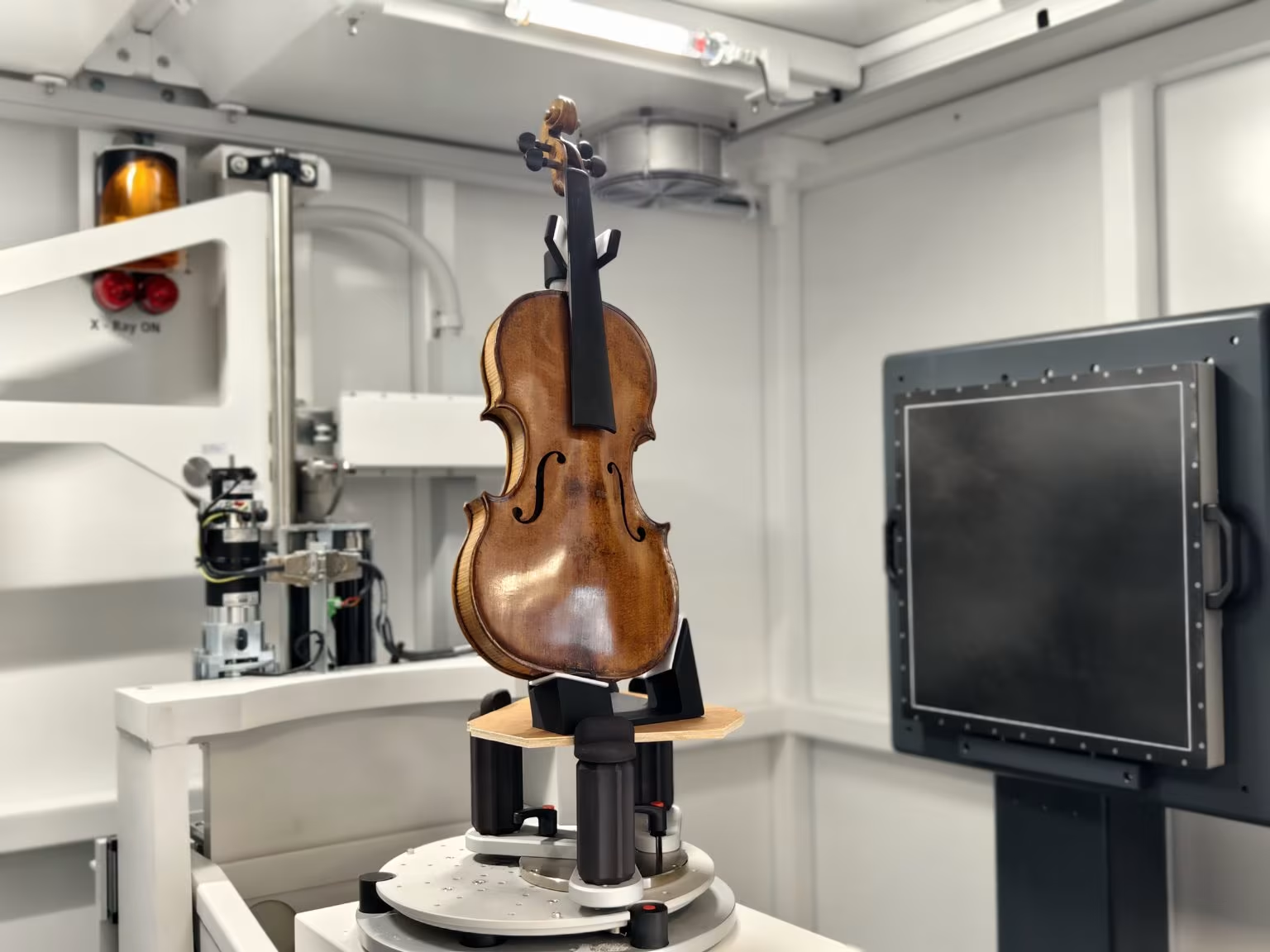
- Design a lightweight fixture out of foam to hold the part in place during the CT scan.
This needs to be stable enough so that there is no movement of the part, but it also needs to be very lightweight so that there is still good contrast with the plastic material of the part. - Define the optimal CT settings and zoom range (voxel size).
- Let the scanner do the work and scan the part.
Technology
- ZEISS Metrotom 6 scout
- GOM Volume Inspect Pro
Post-processing
- The volume of the CT scan is polygonised (surface determination) to a triangular mesh.
- This mesh is then thinned a bit to reduce the size of the data.
- The result is a watertight stl-file with a high amount of details.
3D Scan results
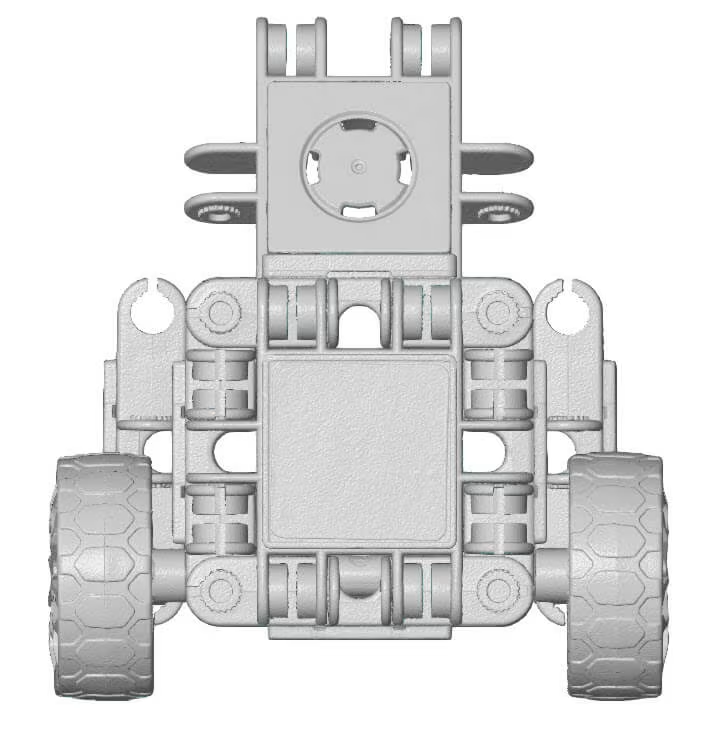
Volume vs. Mesh
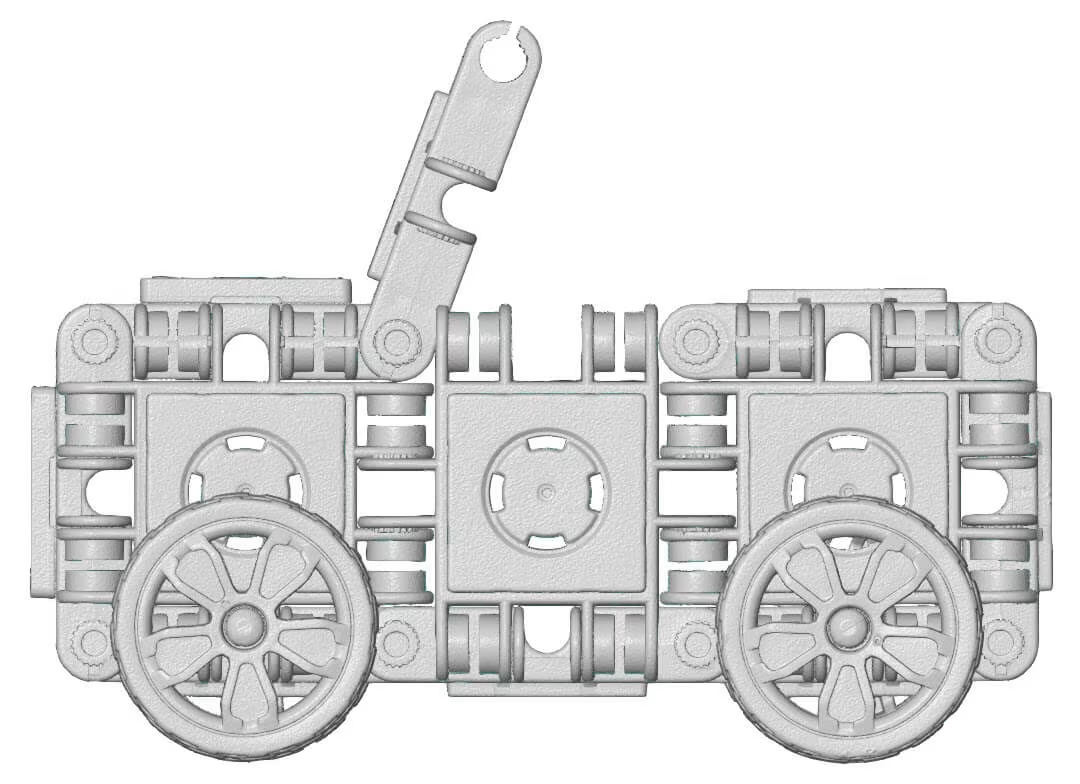
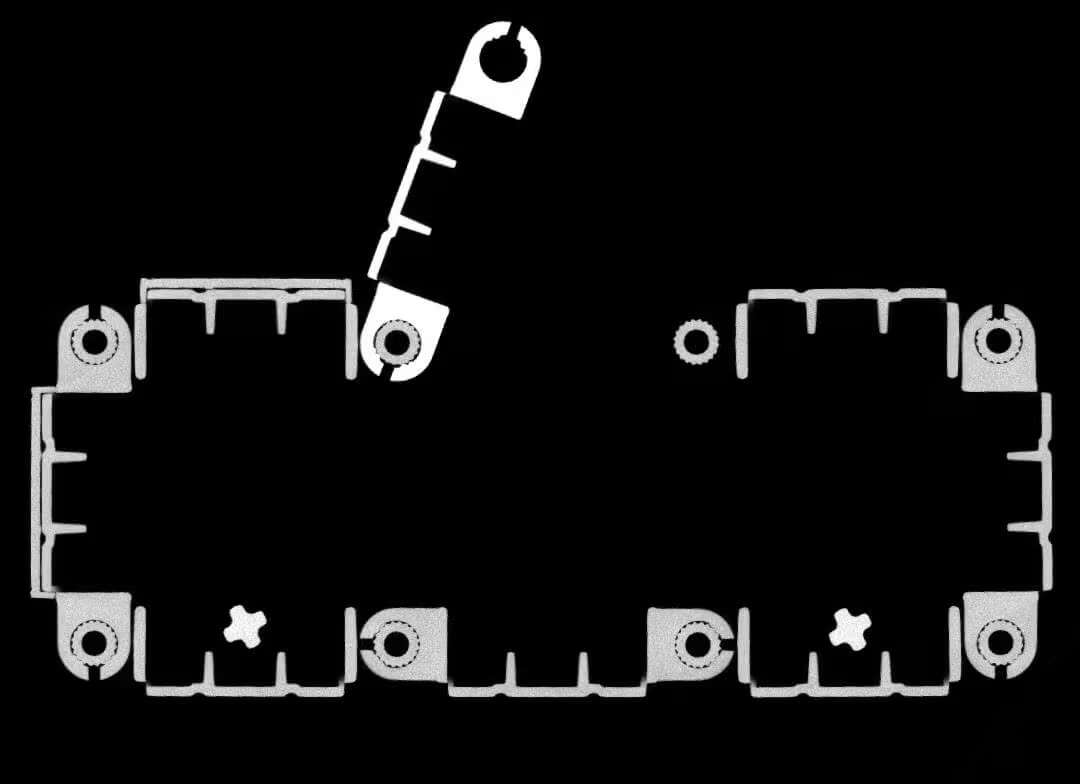
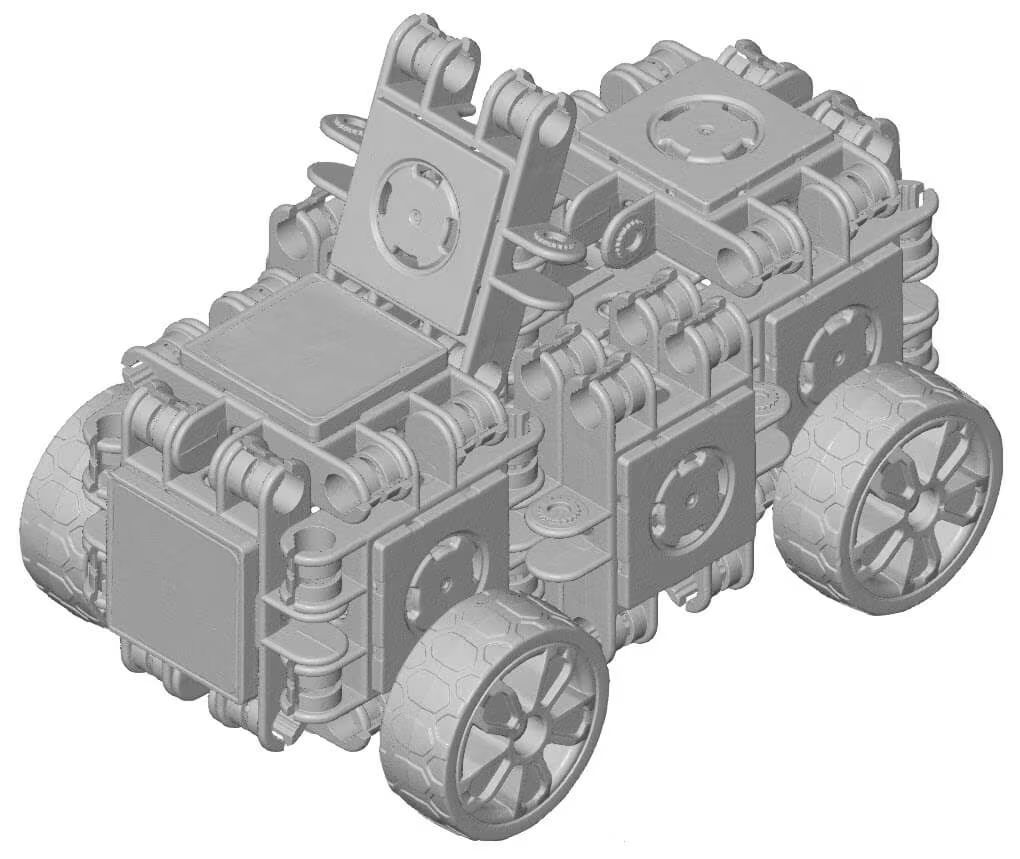
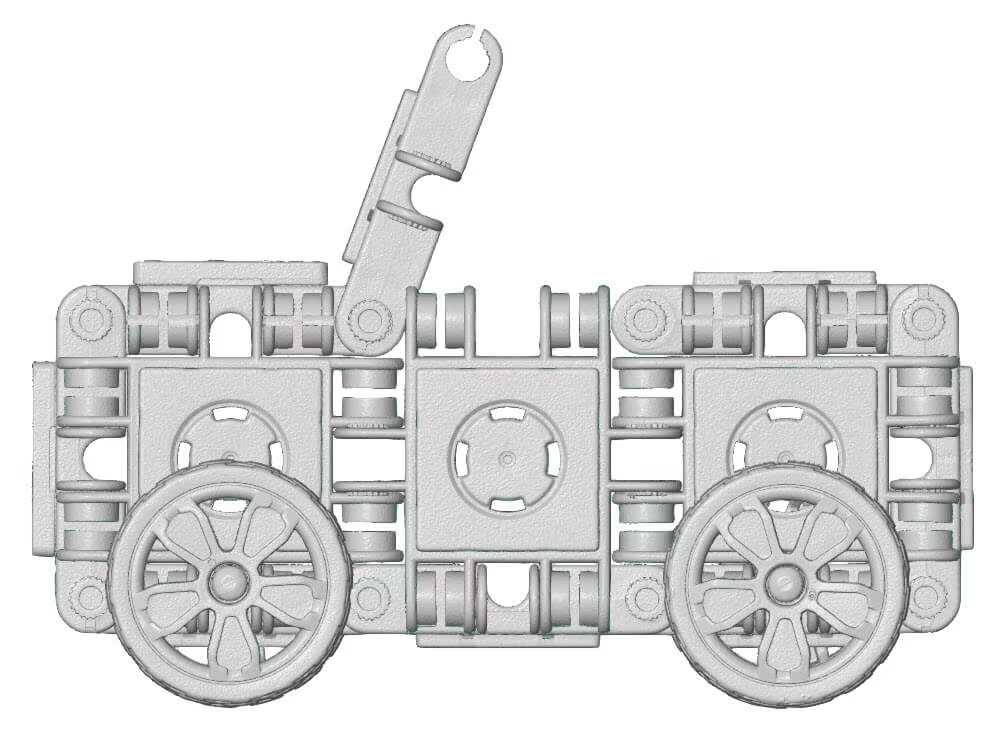
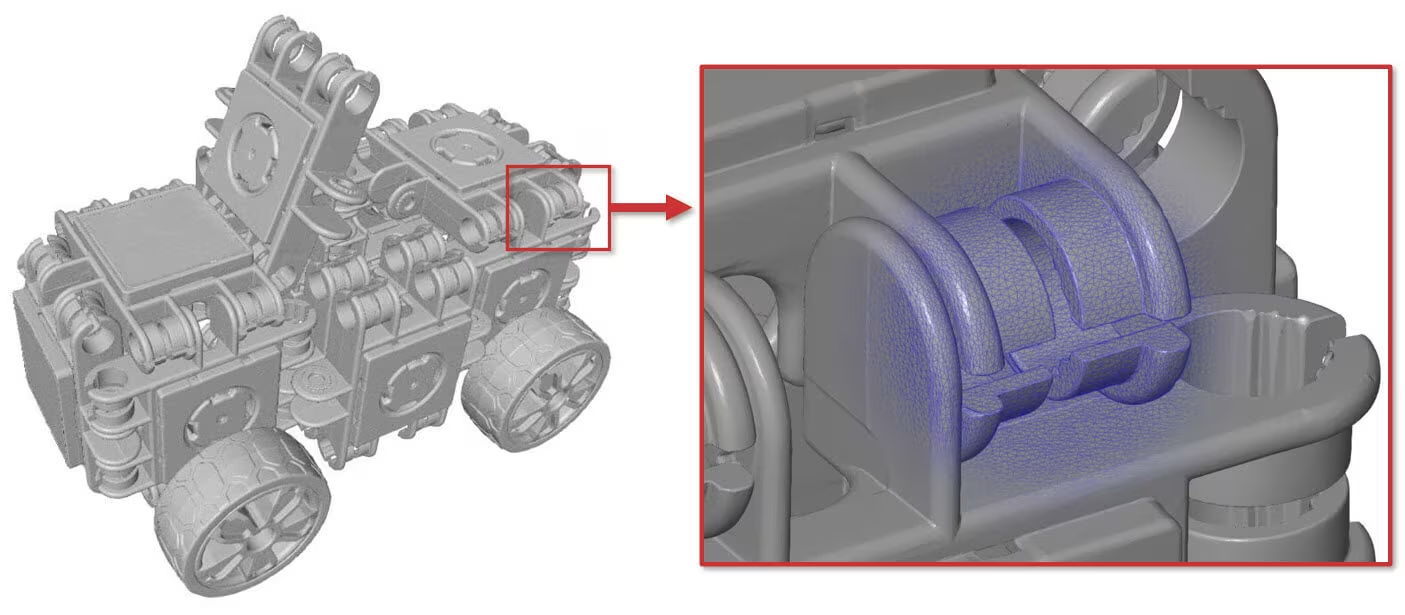
The final mesh is made out of triangles that describe the complete surface of the toy.
CT scanning captures a lot of detail and results in a 100% complete data set.
Transparant or shiny surfaces without scanning spray
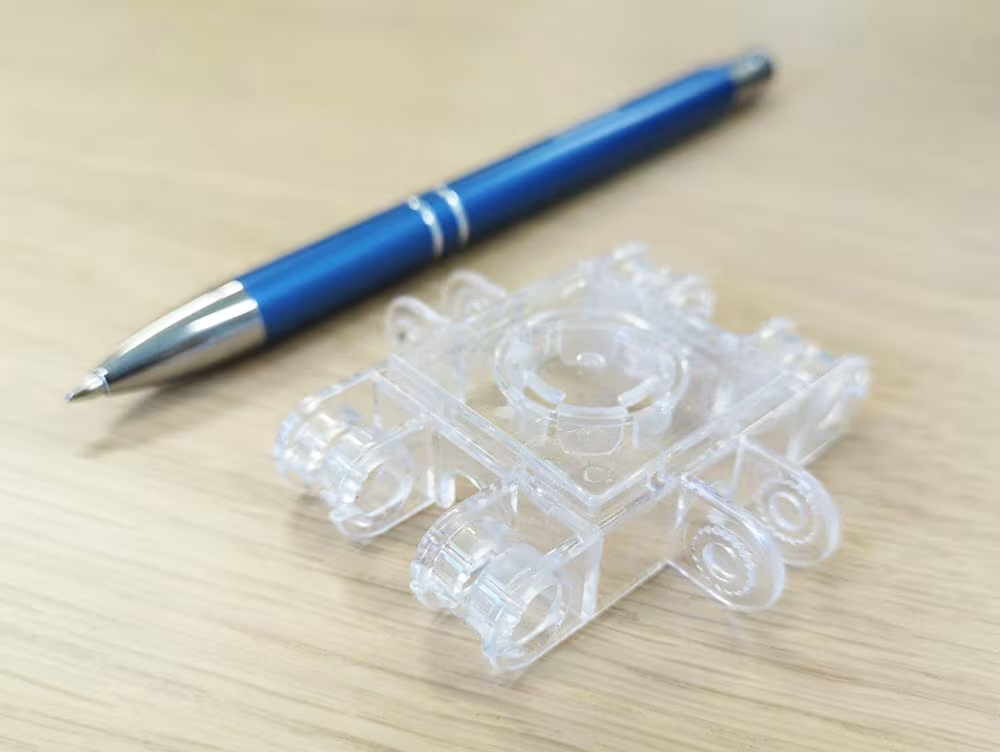
Note that the window of the car is made out of transparent plastic material. For a CT scanner this is not different from a non-transparent plastic. The scanner only “sees” X-ray absorption and not visible light and it’s behavior.
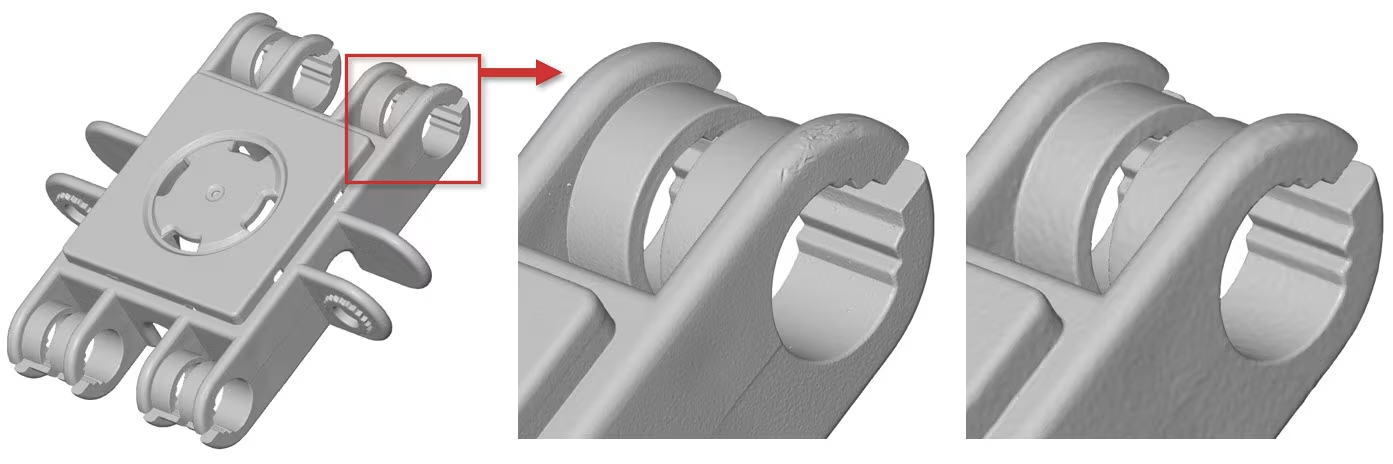
We made an extra scan of this single component. And because the dimensions are smaller than the complete car we can zoom in a bit further with the CT scanner. This increases the resolution of the resulting volume and surface mesh.
This is useful if you part has tiny details or if you want to investigate flashes, misalignment of mold inserts or ejector marks for example.
This component is scanned at 24 µm voxel size
and the complete car is scanned at 66 µm voxel size.
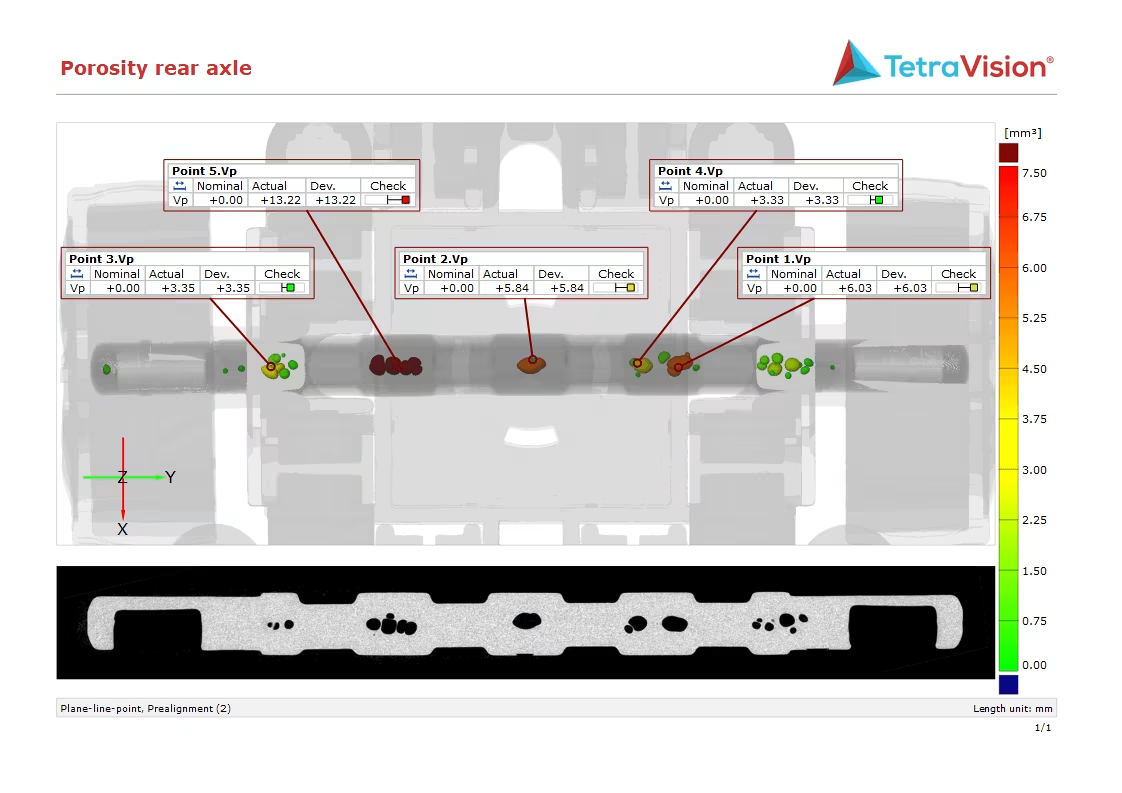
Porosities & Volume defects or Voids
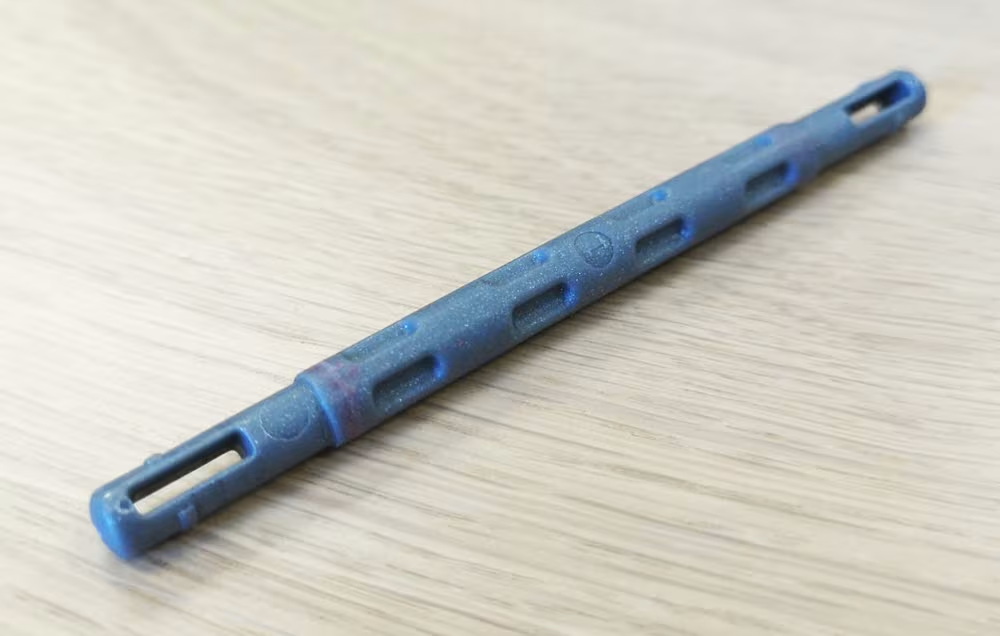
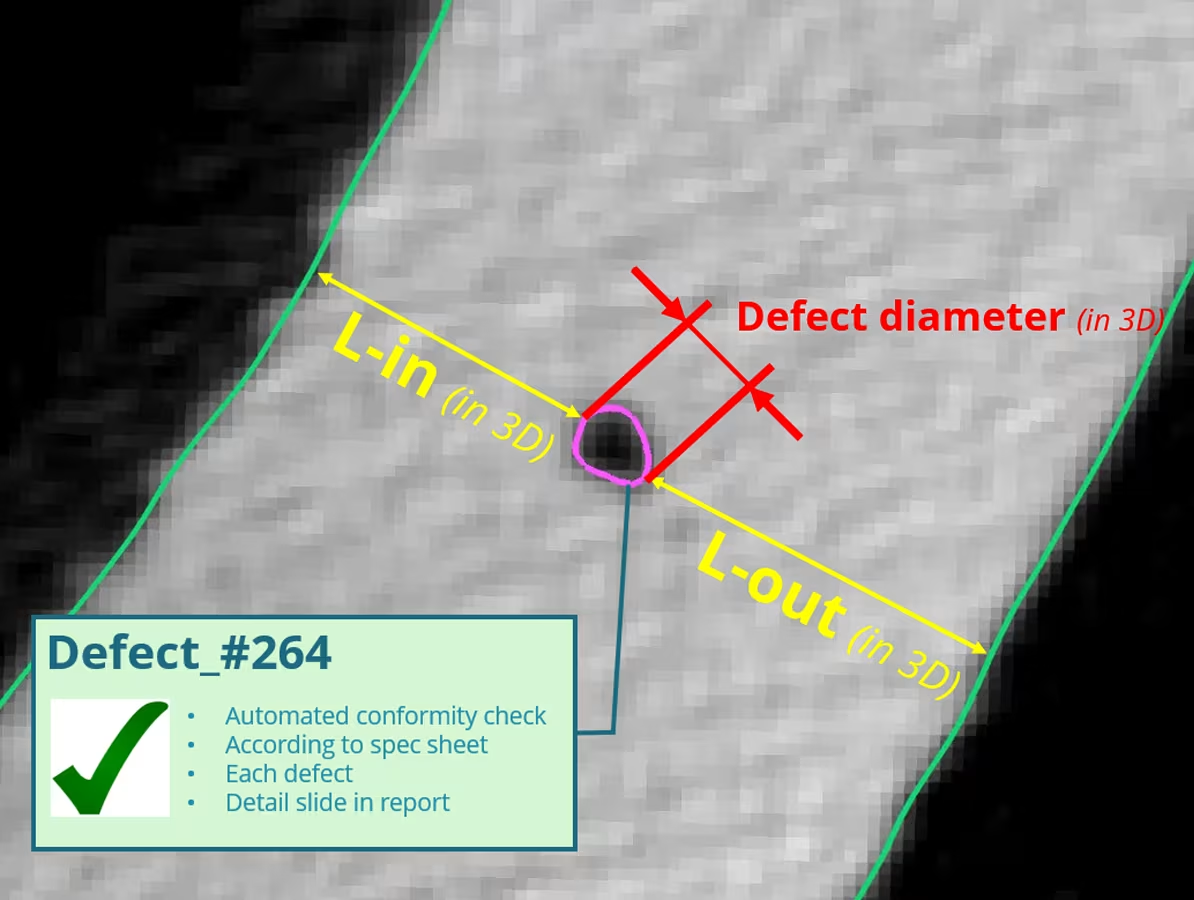
We also noticed some air bubbles in the axles of the toy car. Therefore we took one of the axles and also made a separate scan.
This allows us to investigate the voids further in detail.
Each single void can be measured in different ways. Here we chose for a simple volume check of each void and we reported the 5 biggest ones. Point 5 is a cluster of smaller voids that are linked together and can be also clearly seen in the CT slice at the bottom of the image.